

All posts
Published
March 31, 2026
Reducing Front Desk Disruptions and Unscheduled Drop-Ins

Michael Carter
MSH Staff

Reducing Front Desk Disruptions and Unscheduled Drop-Ins
A Med Sales Hub Use Case
Medical practices operate in an environment where time, focus, and operational efficiency are critical. Front desk teams serve as the first point of contact for patients, caregivers, insurance companies, and clinical staff. Every phone call, every check-in, and every question requires attention. When workflows are interrupted, even briefly, the ripple effects can impact patient experience and clinic efficiency.
One common source of disruption in many practices comes from unscheduled visits by pharmaceutical, diagnostic, and medical device representatives. While these professionals play an important role in healthcare education and innovation, the way meetings are traditionally coordinated often places an unintended burden on front desk staff.
Representatives frequently arrive without appointments, hoping to catch a provider between patient visits or introduce themselves to the office. Others call repeatedly throughout the day asking if physicians are available. In some cases, multiple representatives arrive within the same week or even the same day.
For front desk teams already managing patient check-ins, insurance verification, and appointment scheduling, these interruptions can quickly become overwhelming.
Med Sales Hub was designed to address this challenge by replacing unscheduled drop-ins with structured, AI-coordinated meetings between medical practices and verified industry representatives.
This use case explores how medical practices can significantly reduce front desk disruptions by implementing a smarter, more organized system for industry engagement.
The Challenge: Front Desk Staff Caught in the Middle
In most medical practices, front desk staff are responsible for managing the flow of activity within the office. Their primary focus is ensuring that patients are checked in efficiently, appointments run smoothly, and administrative tasks are completed accurately.
However, when industry representatives arrive unannounced, front desk teams are often placed in a difficult position.
They must quickly determine:
- Whether the representative has visited the office before
- Whether the physician is available to speak with them
- Whether the practice allows representative visits at that time
- Whether the representative should be asked to return later
These decisions must be made while simultaneously managing patient traffic and answering phones.
In busy clinics, this can lead to several problems.
Front desk staff may feel pressured to interrupt physicians to ask whether they want to meet with a representative. Patients waiting in line may experience delays while staff attempt to manage the situation. And representatives themselves may feel frustrated if they are repeatedly turned away.
Over time, unscheduled drop-ins can create tension between office staff and industry professionals—even though both groups ultimately share the goal of supporting patient care.
The Traditional Rep Visit Model
Historically, the relationship between medical practices and industry representatives was built on in-person visits. Representatives would travel between offices within their territory, stopping by practices to introduce new therapies, provide product samples, or share clinical updates.
Because there was often no formal scheduling system, many representatives relied on “door knocking” or informal visits.
In smaller practices with lighter patient volumes, this model sometimes worked reasonably well. However, as healthcare practices grew larger and patient schedules became more demanding, unscheduled visits began to interfere with daily operations.
Many practices attempted to control the situation by limiting representative visits to certain days or asking representatives to call ahead. Yet even these policies were difficult to enforce consistently.
Front desk teams remained responsible for managing unexpected visits, often without clear guidelines.
The Med Sales Hub Approach: Structured Industry Access
Med Sales Hub introduces a different model—one that replaces unscheduled visits with structured, pre-scheduled meetings coordinated by AI.
Instead of arriving at a practice hoping to catch a provider between patients, representatives engage with medical practices through the Med Sales Hub platform.
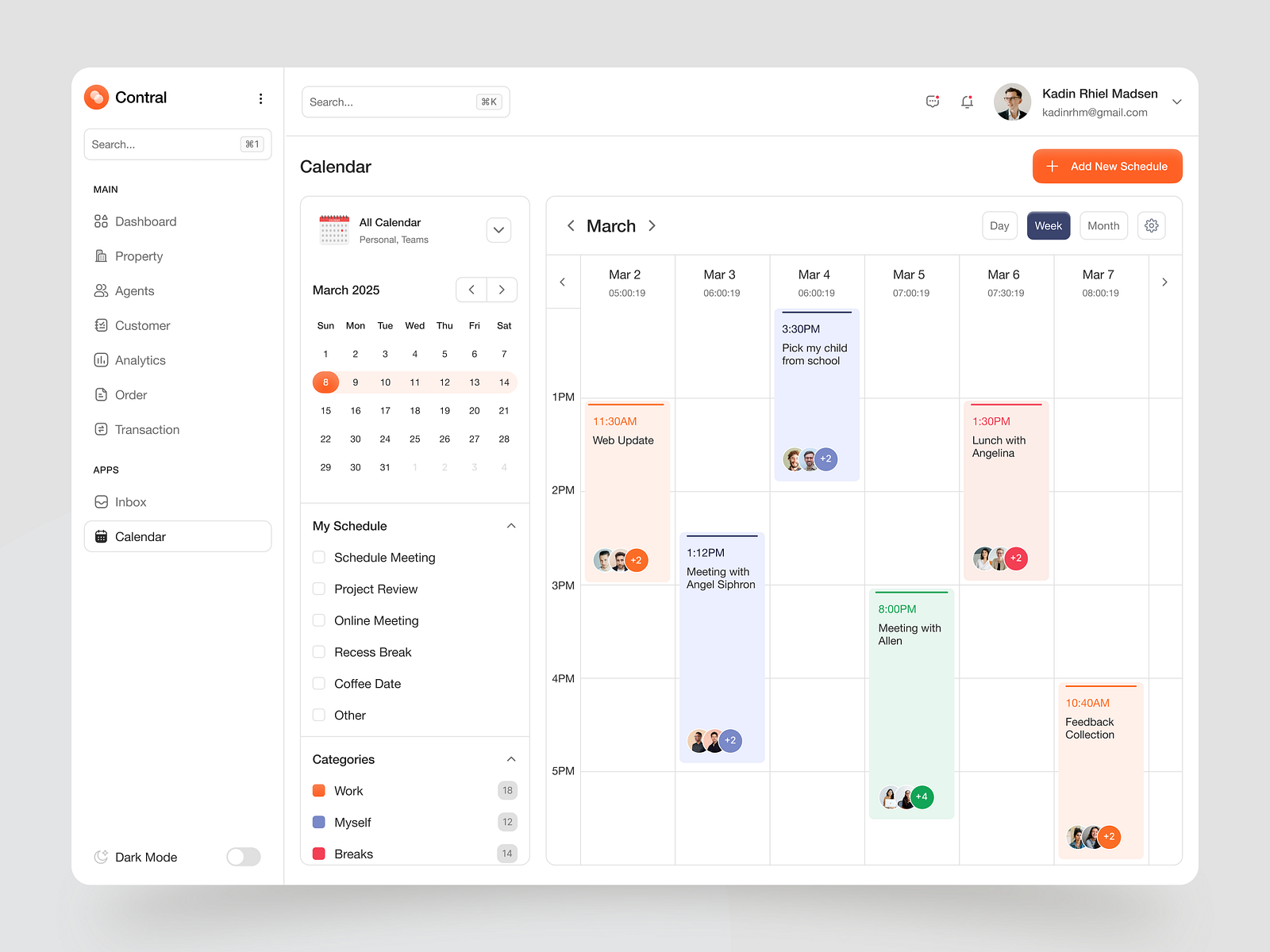
Practices control when meetings occur by opening designated meeting slots within the system. These slots might include:
- Monthly lunch presentations
- Quarterly educational sessions
- Short informational briefings during slower clinic hours
Once a meeting opportunity is created, Med Sales Hub’s AI scheduling system identifies the most relevant representative within the verified network and invites them to host the meeting.
This process ensures that representatives only visit the practice when a meeting has been scheduled in advance.
As a result, unscheduled drop-ins become unnecessary.
Use Case: A Busy Dermatology Practice
Consider a dermatology group with five providers and a large patient base. The clinic sees a high volume of patients each day, many of whom require follow-up visits, biopsies, and procedural care.
Because dermatology is an area with constant pharmaceutical and cosmetic innovation, representatives frequently attempt to visit the practice to introduce new therapies and technologies.
Before adopting Med Sales Hub, the practice experienced frequent interruptions from representatives arriving without appointments.
Some representatives stopped by several times per month hoping to briefly speak with providers. Others brought lunch in hopes that the office might accommodate a spontaneous meeting.
While the staff appreciated the educational value these visits could provide, the timing was often problematic.
Front desk staff would need to pause patient check-ins to greet the representative, determine their purpose, and ask providers whether they were available. In most cases, physicians were fully booked with patients and unable to meet.
The representative would then be asked to return at another time, creating an awkward interaction for both parties.
After months of dealing with these disruptions, the practice manager decided to adopt Med Sales Hub to create a more organized system.
Step 1: Establishing Clear Meeting Times
After onboarding to the platform, the dermatology practice created a simple structure for industry engagement.
The office decided to host one industry lunch meeting per month where providers could hear about new dermatologic therapies and treatment innovations.
Instead of allowing representatives to stop by throughout the month, the practice manager opened these meeting opportunities within Med Sales Hub.
From that point forward, representatives would only visit the practice if they had been invited to host one of these scheduled meetings.
This immediately eliminated the need for spontaneous visits.
Step 2: AI Identifies the Most Relevant Representative
Once the meeting slot is created, Med Sales Hub’s AI scheduler evaluates representatives within the network who serve dermatology practices in the region.
The system analyzes multiple factors including:
- Specialty alignment with dermatology
- Product relevance to the practice’s patient population
- Territory coverage
- Prior meeting history with the office
Based on these criteria, the algorithm identifies the representative who is the best fit for the upcoming meeting.
Instead of allowing multiple representatives to compete for the slot, the platform sends an invitation directly to the selected representative.
If the representative accepts, the meeting is confirmed.
If they decline, the system invites the next most appropriate representative.

Step 3: Eliminating Unscheduled Visits
Because representatives know that meetings are coordinated through Med Sales Hub, there is no longer any reason to visit the office without an invitation.
The dermatology practice begins to notice a significant change within just a few weeks.
Representatives stop arriving unexpectedly at the front desk. Instead, they interact with the practice through the structured meeting opportunities within the platform.
When a representative does visit the office, it is because they have already been scheduled for a meeting.
Front desk staff can simply welcome them and direct them to the appropriate meeting space.
There is no need to interrupt physicians or determine whether a meeting might be possible.

Step 4: Front Desk Staff Can Focus on Patients
With unscheduled visits eliminated, front desk teams regain control over the flow of activity in the office.
Staff members can focus on their primary responsibilities:
- Checking in patients efficiently
- Managing appointment schedules
- Coordinating insurance verification
- Supporting clinical staff throughout the day
Instead of being placed in the role of gatekeeper for industry representatives, front desk teams can focus entirely on delivering a smooth patient experience.
This improves not only operational efficiency but also workplace morale.
Step 5: Representatives Experience a More Professional System
Representatives also benefit from this new approach.
In traditional environments, representatives may feel uncertain about when it is appropriate to visit an office. Some may worry about interrupting staff or being turned away at the front desk.
Med Sales Hub removes this uncertainty.
Representatives know that meeting opportunities will be coordinated through the platform. When they receive an invitation, they can prepare a focused presentation tailored to the practice’s specialty.
This creates a more professional interaction between representatives and medical practices.
Instead of brief hallway conversations or rushed introductions, meetings occur in a structured setting where physicians are available and interested in learning.
The Operational Impact
After several months of using Med Sales Hub, the dermatology practice experiences several improvements:
Front desk disruptions decrease significantly because representatives are no longer arriving unexpectedly.
Staff spend less time managing conversations with representatives and more time supporting patients.
Providers attend meetings that are planned in advance, allowing them to engage more thoughtfully with new clinical information.
Industry representatives interact with the practice in a structured, respectful manner that aligns with the office’s workflow.
What was once a chaotic and unpredictable process becomes organized, efficient, and mutually beneficial.
A Smarter Way to Manage Industry Engagement
Medical practices face increasing operational pressures as patient volumes grow and administrative responsibilities expand.
Front desk teams must remain focused on patient care operations, not on managing unexpected industry visits.
By replacing unscheduled drop-ins with AI-coordinated meetings, Med Sales Hub provides a modern solution that benefits both medical practices and industry representatives.
Practices gain control over when and how industry engagement occurs within their offices.
Front desk teams experience fewer interruptions.
Providers participate in meetings that are scheduled thoughtfully and aligned with their specialty.
And representatives gain access through a professional system that respects the workflow of modern healthcare practices.
Med Sales Hub transforms industry engagement from a source of disruption into a structured opportunity for clinical collaboration—allowing medical practices to maintain operational efficiency while staying informed about the innovations shaping patient care.